
The kitchen counter is covered in orange peels, and your hands are already sticky. You've just split open the third orange when that smell hits—bright, clean, almost sharp in the best way. It sticks to your fingers and fills the whole room, and suddenly you remember why anyone bothers making juice from scratch.
Cartons are easier, sure. Twist the cap, pour, done. But they taste like they've been sitting under fluorescent lights for weeks, because they have. Real orange juice, the kind you make when you've got ten minutes and a pile of fruit, tastes completely different. It's sweeter somehow, but also tangier, and it actually tastes like the oranges you just peeled instead of some vague orange-flavored beverage.
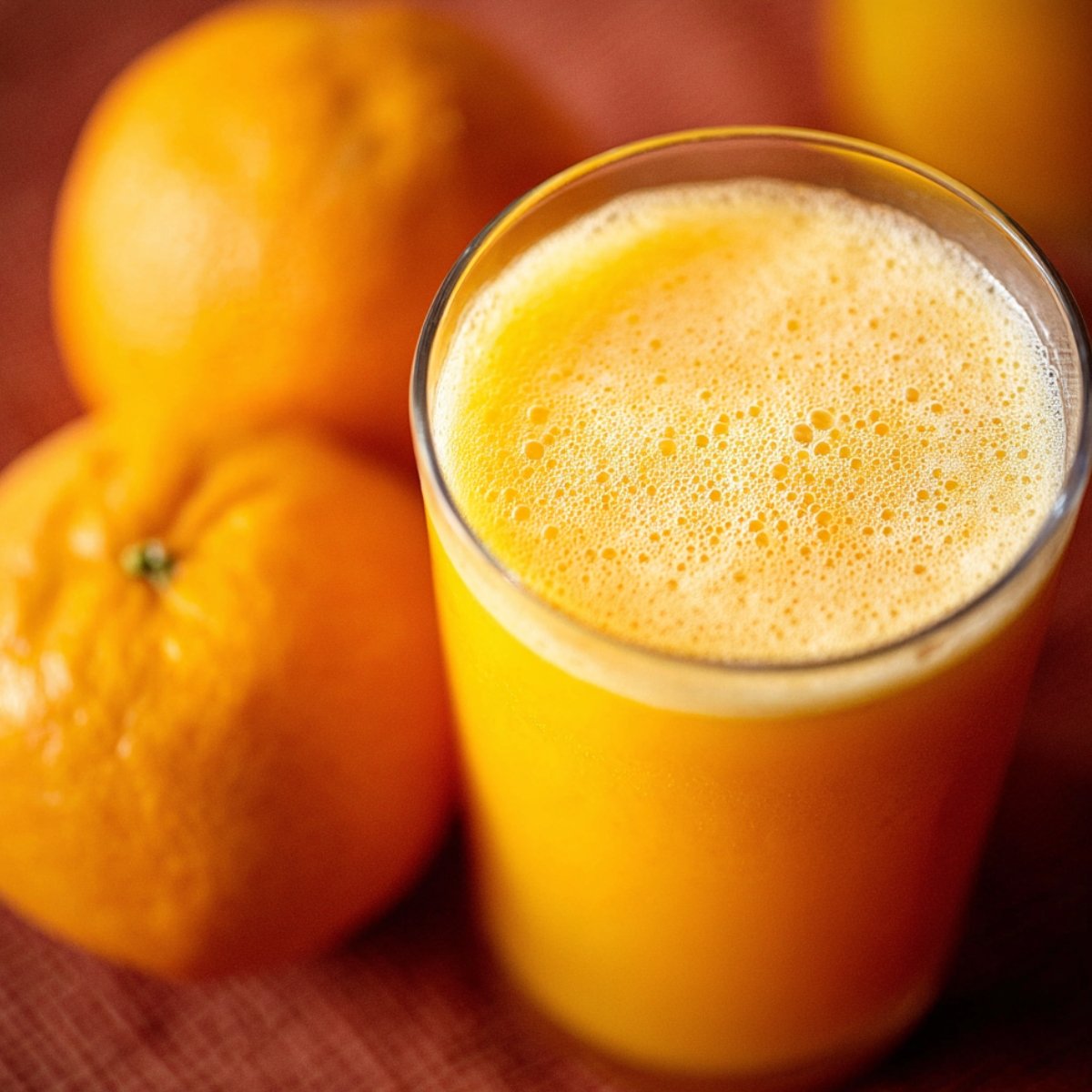
Why This Homemade Orange Juice Works
Here's the thing about making orange juice at home—it's not complicated. You're literally just blending orange segments and straining out the pulp. But the difference in taste? Huge. When you make natural orange juice yourself, you control everything. Want it sweeter? Add a touch of honey. Prefer it tangy? Squeeze in some lemon. Like it pulpy? Skip some of the straining.
Store-bought orange juice sits on shelves for weeks, sometimes months. Fresh orange juice made in your blender is alive with flavor. It's bright, it's zingy, and it tastes like actual fruit instead of something that came from a factory.
This recipe works whether you have a high-powered blender or just a basic mixie jar. You're not crushing the life out of the oranges, just gently breaking down the segments to release all that golden juice.
Jump to:
Orange Juice Ingredients
See Recipe Card Below This Post For ingtedient Quantites
- Oranges (or 6 to 7 medium oranges)—Choose sweet, ripe oranges for the best flavor. They should feel heavy for their size, which means they're juicy.
- Lemon juice (optional)—Adds a little extra brightness and tang if you want it.
- Sugar, honey, or jaggery (optional)—Only if your oranges aren't sweet enough on their own.
That's it. Three ingredients, and two of them are optional. This is as simple as natural fruit juice gets.
How to Make Orange Juice in a Blender
Making orange juice without juicer is easier than you'd think. Here's how it comes together:
Prep the oranges. Peel all your oranges and separate them into segments. Toss the peels, but keep all those juicy segments ready to go.
Add to the blender. Put the orange segments into your blender or mixie jar. If you're using lemon juice, add it now. It's totally optional but adds a nice little kick.
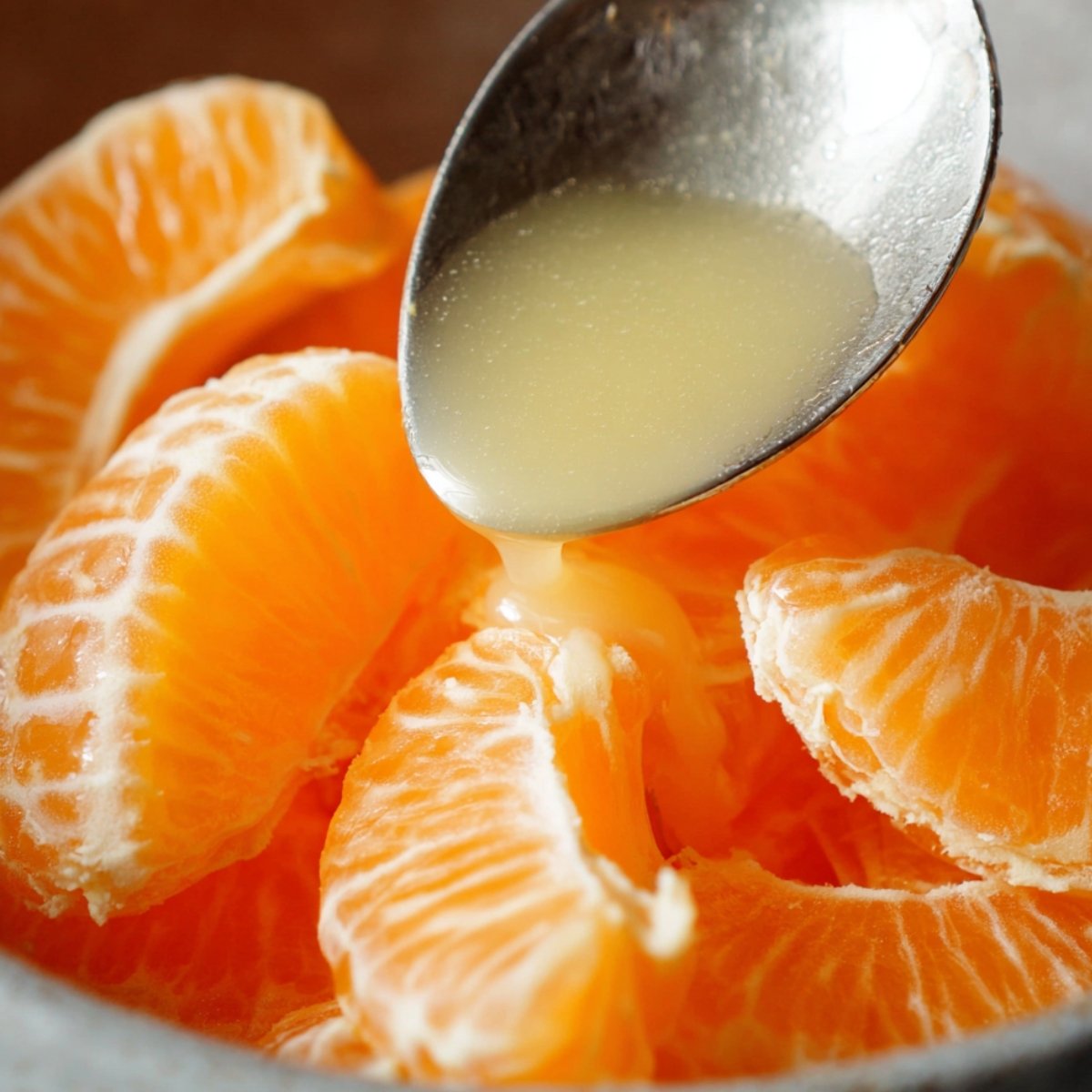
Blend gently. Here's the key—don't go crazy with the blending. Run your blender on low to medium speed for just a few seconds. You want the segments broken down and pulpy, but you don't want to pulverize the seeds. If the seeds get crushed, your juice will taste bitter.
Use the pulse option if your blender has one. Pulse a few times until everything's crushed but not obliterated. If you're worried about seeds, you can pick them out before blending.
Strain the juice. Place a juice strainer over a bowl or pan. Pour your blended orange mixture into the strainer, then use a spoon to press and move the pulp around. You're working to get all the liquid out while leaving behind the stringy bits.
After straining, you should have beautiful, smooth strained orange juice in your bowl and just fibrous pulp left in the strainer.
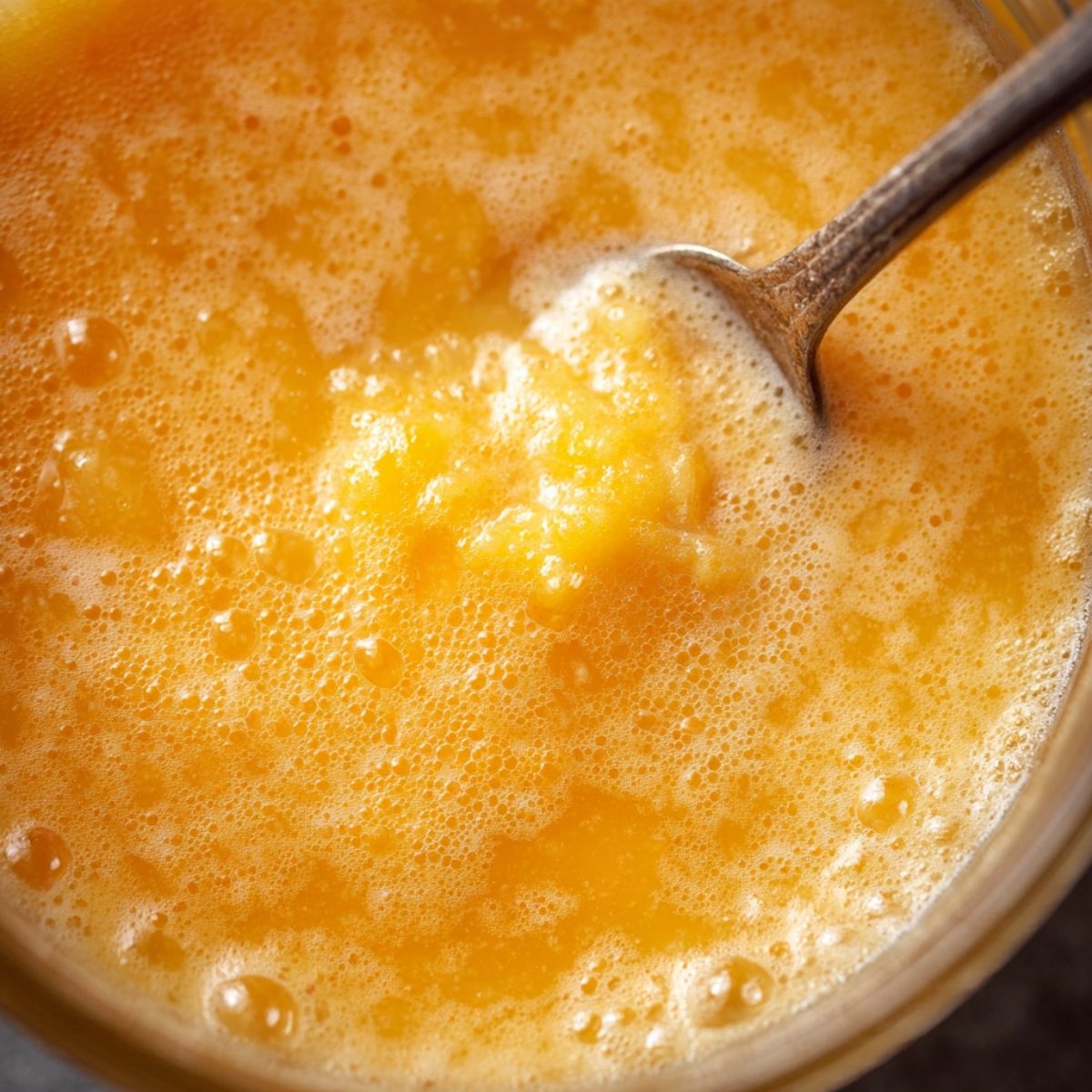
Sweeten if needed. Taste your juice. If it's perfectly sweet, you're done. If it needs a little help, stir in some sugar, honey, or jaggery until it tastes just right.
Serve immediately. Pour the fresh orange juice into glasses and serve right away. This juice is best enjoyed fresh—letting it sit for hours can make it turn bitter.
Smart Substitutions and Variations
This recipe is flexible. Here's how to make it work for you:
Different citrus fruits. Try mixing in some tangerines or mandarin oranges for a slightly different flavor profile. You can even add a grapefruit segment or two if you like things more tart.
Sweetener options. Honey adds a floral sweetness, jaggery brings a deeper, almost caramel-like flavor, and regular sugar keeps it simple. Use whatever you have on hand or prefer.
Add-ins for extra flavor. A tiny pinch of salt can actually enhance the sweetness. A small piece of fresh ginger adds a spicy kick. A few mint leaves blended in make it extra refreshing.
Pulp level. Want pulp-free orange juice? Strain it twice. Like it chunky? Strain it less or skip straining altogether and drink it as a orange juice smoothie instead.
Cold vs. room temperature. For an extra-cold refreshing citrus drink, refrigerate your oranges for a couple hours before making the juice. Or serve it over ice.
Making It Kid-Friendly
Children usually love this morning juice drink because it's naturally sweet and colorful. Here's how to make it even more appealing:
Let them help peel. Even if they make a mess (they will), kids enjoy being part of the process. Give them the easier-to-peel oranges and let them go for it.
Serve it in fun glasses. A fancy cup or a straw makes everything taste better when you're seven.
Make it sweeter. If your kids prefer things on the sweeter side, don't hesitate to add a little honey. It's still healthier than anything from a carton.
Create popsicles. Pour leftover fresh orange juice into popsicle molds and freeze. Instant healthy treats for hot days.
Mix with other fruits. Blend in a few strawberries or a small banana for a fruity twist that kids go crazy for.
Equipment For Orange Juice
- Blender or mixie jar—Any standard blender works. You're not making a smoothie, just breaking down fruit segments.
- Juice strainer—A fine-mesh strainer is perfect for catching all the pulp and fibers.
- Bowl or pan—For catching the strained juice.
- Spoon—To press the pulp through the strainer.
- Knife—For peeling the oranges.
- Serving glasses—Because presentation matters, even at breakfast.
Storage Tips
Here's the truth about juicing oranges—it's best consumed immediately. But if you need to store it:
Refrigerate in an airtight container. Your homemade orange juice will keep for about 24 hours in the fridge. After that, it starts to lose flavor and can develop a bitter taste.
Don't let it sit at room temperature. The juice oxidizes quickly, which affects both taste and nutrition. If you're not drinking it right away, get it into the fridge immediately.
Freeze for longer storage. You can freeze natural orange juice in ice cube trays or freezer-safe containers for up to 3 months. Thaw in the fridge when you're ready to drink it.
Expect separation. If stored, the juice and pulp will separate. Just give it a good stir before serving.
Make small batches. Since this recipe only takes 14 minutes, it's better to make fresh juice when you want it rather than storing large amounts.
Perfect Pairings and Serving Ideas
This fresh fruit juice is delicious on its own, but here are some cozy ways to enjoy it:
Weekend brunch spread. Serve alongside fluffy pancakes, scrambled eggs, and crispy bacon. The bright citrus cuts through richer breakfast foods beautifully.
With warm pastries. There's something perfect about sipping fresh orange juice while eating a buttery croissant or a cinnamon roll. The flavors just work.
Afternoon snack companion. Pair with cheese and crackers, nuts, or a simple sandwich. The vitamin C boost is great for mid-day energy.
Mocktail base. Mix with sparkling water and fresh berries for a fancy vegan juice drink that feels special but takes no extra effort.
Top Tip
My mom always said the secret to great citrus fruit juice is in picking the right oranges. She taught me to look for ones that feel heavy—those are the juicy ones. The skin should be firm but give slightly when you press it.
She also had this trick where she'd roll the oranges on the counter with her palm before peeling them. "Wakes up the juice," she'd say with a smile. I still do it every time I make this recipe, and I swear the juice flows more easily.
Another thing she insisted on—drink it fast. She never let fresh orange juice sit around. "It's alive when it's fresh," she'd say. "Don't let it die in the fridge." She was right. The flavor is brightest and most vibrant in those first few minutes after you make it.
FAQ
Is having orange juice good for you?
Yes, fresh orange juice is packed with vitamin C, folate, and potassium. One glass gives you more than 200% of your daily vitamin C needs, which supports your immune system and skin health. Just remember that homemade juice has natural sugars, so enjoy it as part of a balanced diet. My kids drink it with breakfast a few times a week, and it's a much healthier choice than sugary drinks.
What is the healthiest juice to drink?
Freshly made juices without added sugar are generally the healthiest options. Homemade orange juice ranks high because of its vitamin C content and antioxidants. Green juices with vegetables are also nutritious. The key is making it yourself—fresh vs packaged orange juice is a huge difference in terms of nutrients and lack of preservatives. Store-bought versions often have added sugars and have been processed, which reduces nutritional value.
Does Simply Orange Juice have vitamin C?
Yes, Simply Orange and most commercial orange juices do contain vitamin C, though the amount can vary. Some brands add extra vitamin C during processing. However, homemade vs store-bought orange juice is still different—fresh juice has more active enzymes and hasn't been pasteurized, which can affect nutrient levels. When you make it at home, you know exactly what's in your glass.
Is orange juice good for cholesterol?
Fresh orange juice contains plant compounds called flavonoids that may help improve cholesterol levels, particularly by raising good HDL cholesterol. Some studies suggest that drinking orange juice regularly might support heart health. However, it's not a cure-all—a healthy diet overall matters more. My advice? Enjoy your natural orange juice as part of a balanced lifestyle with plenty of whole fruits, vegetables, and whole grains.
The Bottom Line
Making orange juice in blender is one of those simple pleasures that shouldn't be complicated. It takes less time than running to the store, costs about the same, and tastes infinitely better than anything from a carton.
This isn't about being perfect or fancy. It's about taking a few minutes to give yourself and your family something real and nourishing. The bright flavor, the vitamin boost, the satisfaction of making something with your own hands—it all adds up to a drink worth making again and again.
So grab some sweet oranges next time you're at the market. Peel them, blend them, strain them, and pour yourself a glass of sunshine. Your body will thank you, and your taste buds definitely will too.
Related
Looking for other recipes like this? Try these:



Pairing
These are my favorite dishes to serve with Orange Juice




Orange Juice
Ingredients
Equipment
Method
- Peel the oranges and separate the segments.
- Place the orange segments in a blender jar.
- Pour in 1 tablespoon of lemon juice, if using.
- Blend on low to medium speed for a few seconds, just until the oranges are pulped. Avoid over-blending to prevent the seeds from being crushed.
- Place a juice strainer over a bowl. Pour the juice through the strainer to remove the pulp.
- Use a spoon to gently press and stir the pulp, ensuring all juice is extracted.
- Taste the juice and add sugar, honey, or jaggery if desired.
- Serve immediately in glasses and enjoy your fresh orange juice.


Leave a Reply