
These buttery, golden croissants shatter into a thousand flaky layers with every bite, filling your kitchen with that unmistakable smell of a French bakery. I'll never forget the first time I pulled a batch from my own oven, watching my daughter Lily's eyes go wide as she tore one open and saw all those delicate, honeycomb layers inside. Making croissants at home takes patience, but the process is surprisingly simple once you understand the rhythm of folding and resting.

If you love weekend baking projects, you might also enjoy our Easy Cinnamon Roll French Toast Recipe or the fluffy magic of an Easy Dutch Baby Pancake.
Why You'll Love These Homemade Croissants
Bakery-quality results. You'll impress everyone who tries these, and they'll ask where you bought them.
Simple ingredients. Butter, flour, milk, and a little yeast create something extraordinary.
Perfect for special mornings. There's nothing quite like serving fresh, warm croissants for breakfast or brunch.
A rewarding project. The lamination process is meditative and teaches you a fundamental pastry technique.
Freezer-friendly. You can freeze shaped croissants and bake them fresh whenever you want.
Jump to:
Homemade Croissants Ingredients
Here's what you'll need to make these beautiful, flaky croissants.
See Recipe Card Below This Post For ingtedient Quantites
For the Dough:
- Unsalted butter : Adds richness to the dough base and helps create a tender crumb. Make sure it's at room temperature so it blends smoothly.
- All-purpose flour : Forms the structure of the croissants and gives them their delicate, layered texture. Spooning and leveling prevents dense dough.
- Granulated sugar: Feeds the yeast and adds a subtle sweetness that balances the buttery richness.
- Salt: Enhances all the flavors and strengthens the gluten structure for better layers.
- Active dry or instant yeast: Creates the rise and airy texture inside each croissant. Either type works perfectly here.
- Cold whole milk: Keeps the dough cool during mixing, which is important for lamination later. Whole milk adds extra richness.
For the Butter Layer:
- Unsalted butter : This is what creates all those flaky, golden layers. The quality of your butter really shines through in the final croissants.
- All-purpose flour : Mixed into the butter to help it stay pliable and prevent it from breaking during rolling.
- For the Egg Wash
- Large egg: Gives the croissants their gorgeous golden-brown shine.
- Whole milk: Thins the egg wash slightly for an even, glossy coating.
How to Make Homemade Croissants
These steps will guide you through making perfect croissants from scratch.
Make the dough: Place the 4 tablespoons of softened butter, flour, sugar, salt, and yeast in your stand mixer bowl. Mix on low-medium speed for about 1 minute until everything looks combined. Slowly pour in the cold milk and turn the speed up to medium, kneading for 5 minutes until you have a soft dough that feels just slightly tacky to the touch.
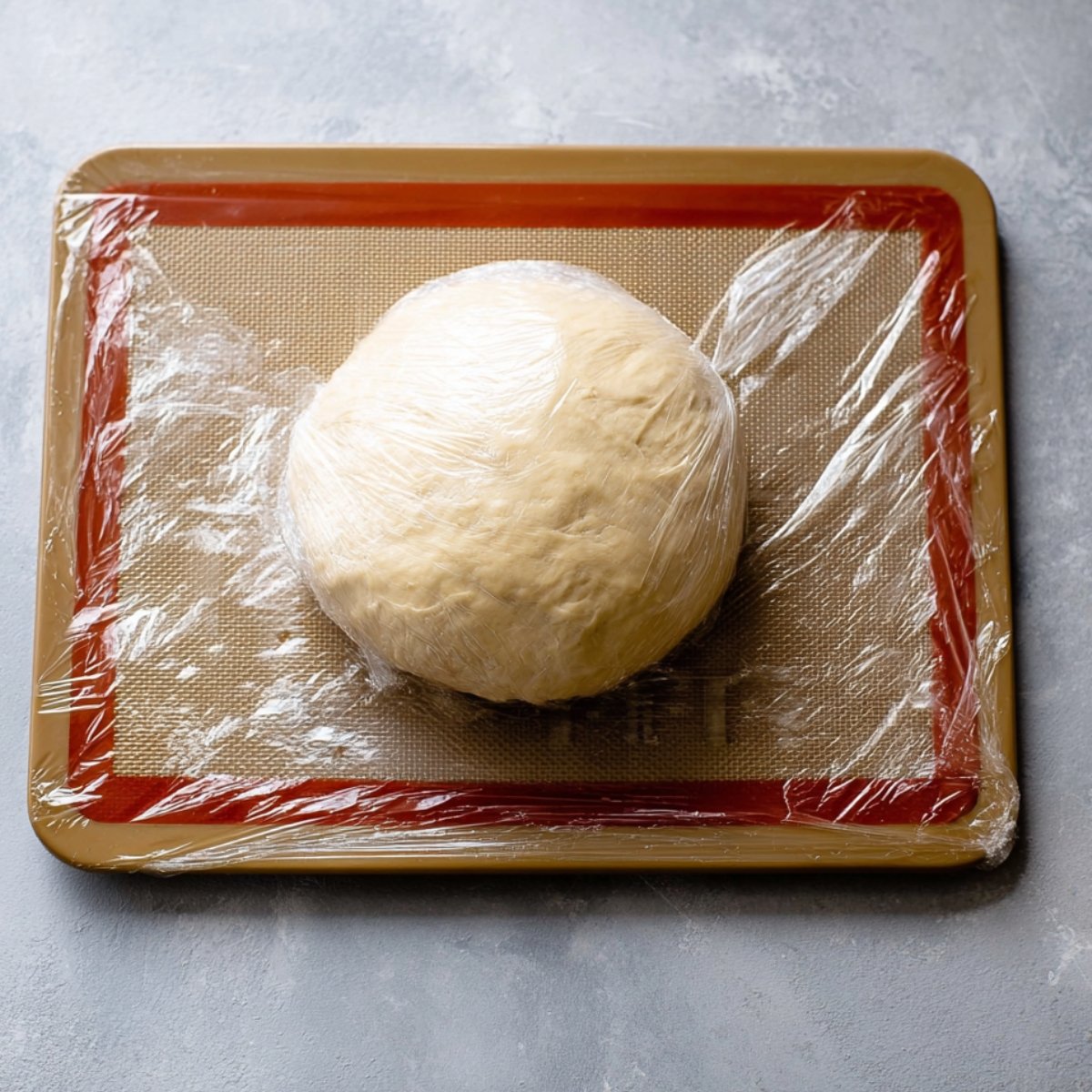
Knead the dough: Keep kneading by hand or with the mixer for another 5 minutes. You'll know it's ready when you can stretch a small piece thin enough to see light through it without it tearing—that's the windowpane test. Shape the dough into a smooth ball, wrap it tightly in plastic wrap, and slide it into the fridge for 30 minutes to relax.
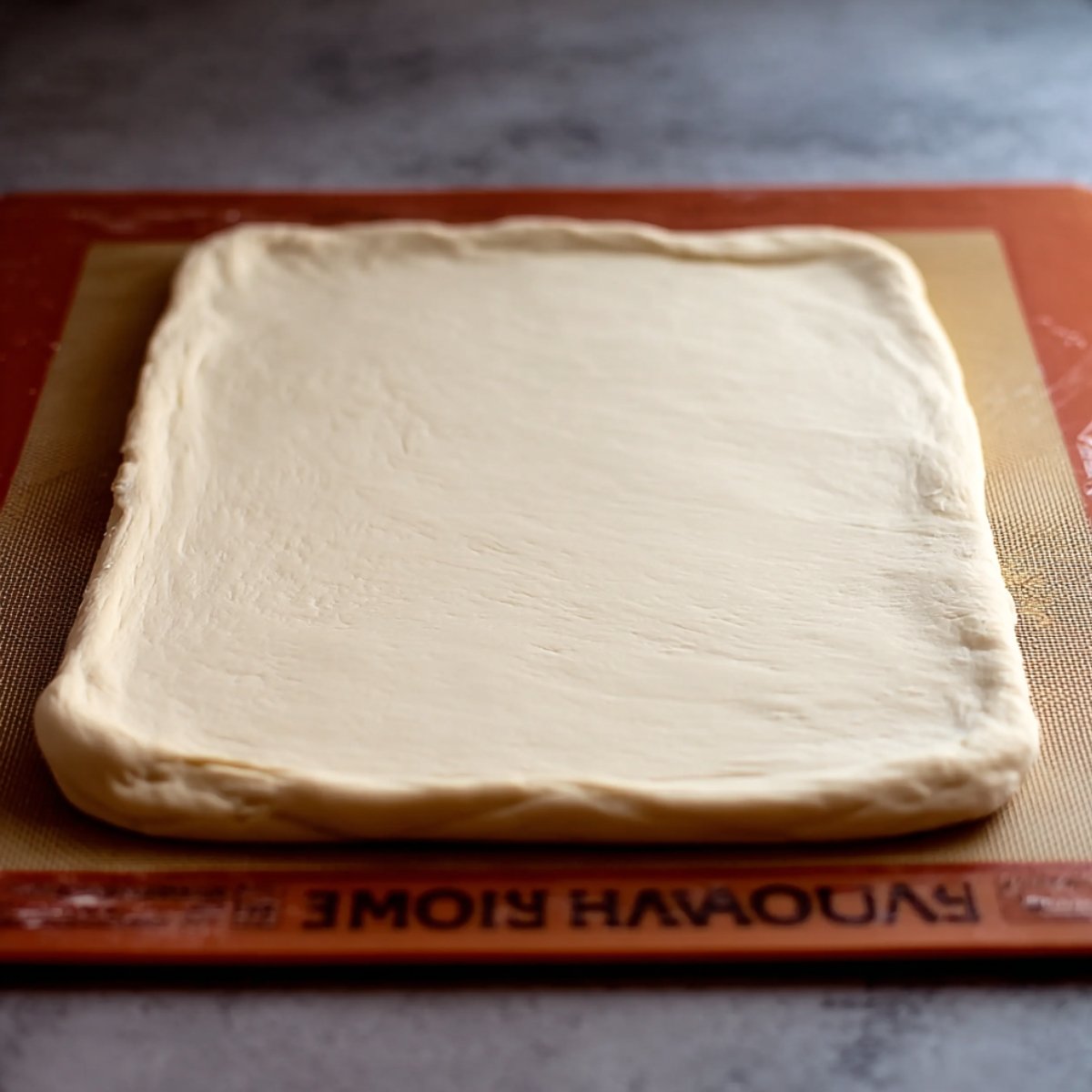
Shape the dough: On a lightly floured surface, roll your chilled dough into a neat 14x10-inch rectangle. Wrap it up again and refrigerate for 4 hours, or leave it overnight if that works better for your schedule.
Prepare the butter layer: Beat together the 1½ cups of softened butter and 2 tablespoons of flour until they're completely smooth and spreadable. Shape this mixture into a 7x10-inch rectangle on a piece of parchment paper. Chill for 30 minutes so it firms up but stays pliable.
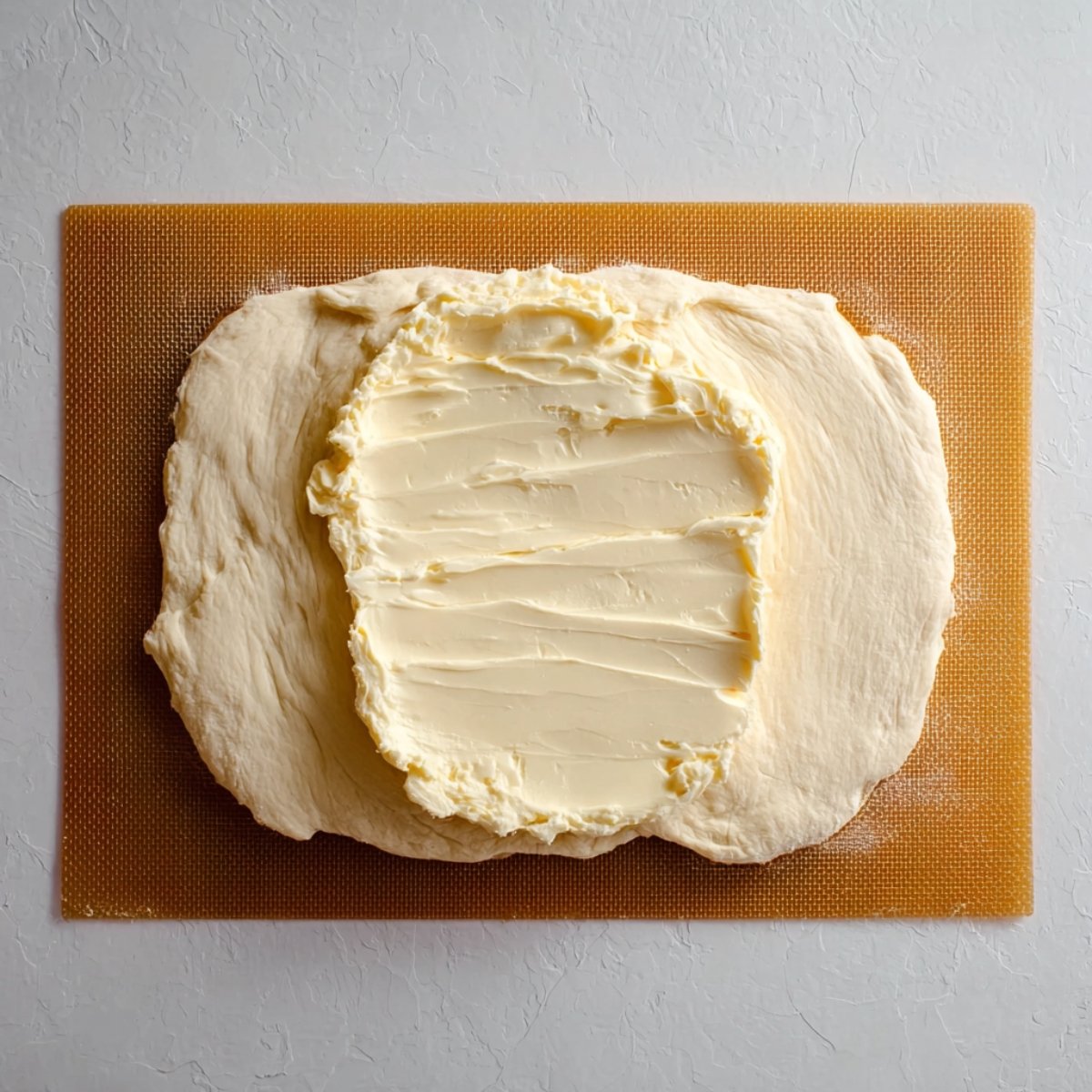
Laminate the dough: Roll your chilled dough into a 10x20-inch rectangle. Place the butter rectangle right in the center, then fold the dough over it like you're wrapping a present, sealing the edges well. Roll this package into a 10x20-inch rectangle again, then fold it into thirds like a letter. That's your first turn. Refrigerate for 30 minutes.
Second and third turns: Take the dough out and repeat that same rolling and folding process two more times, chilling for 30 minutes between each turn. After your third fold, let the dough rest in the fridge for 4 hours or overnight. This is when all those beautiful layers really develop.
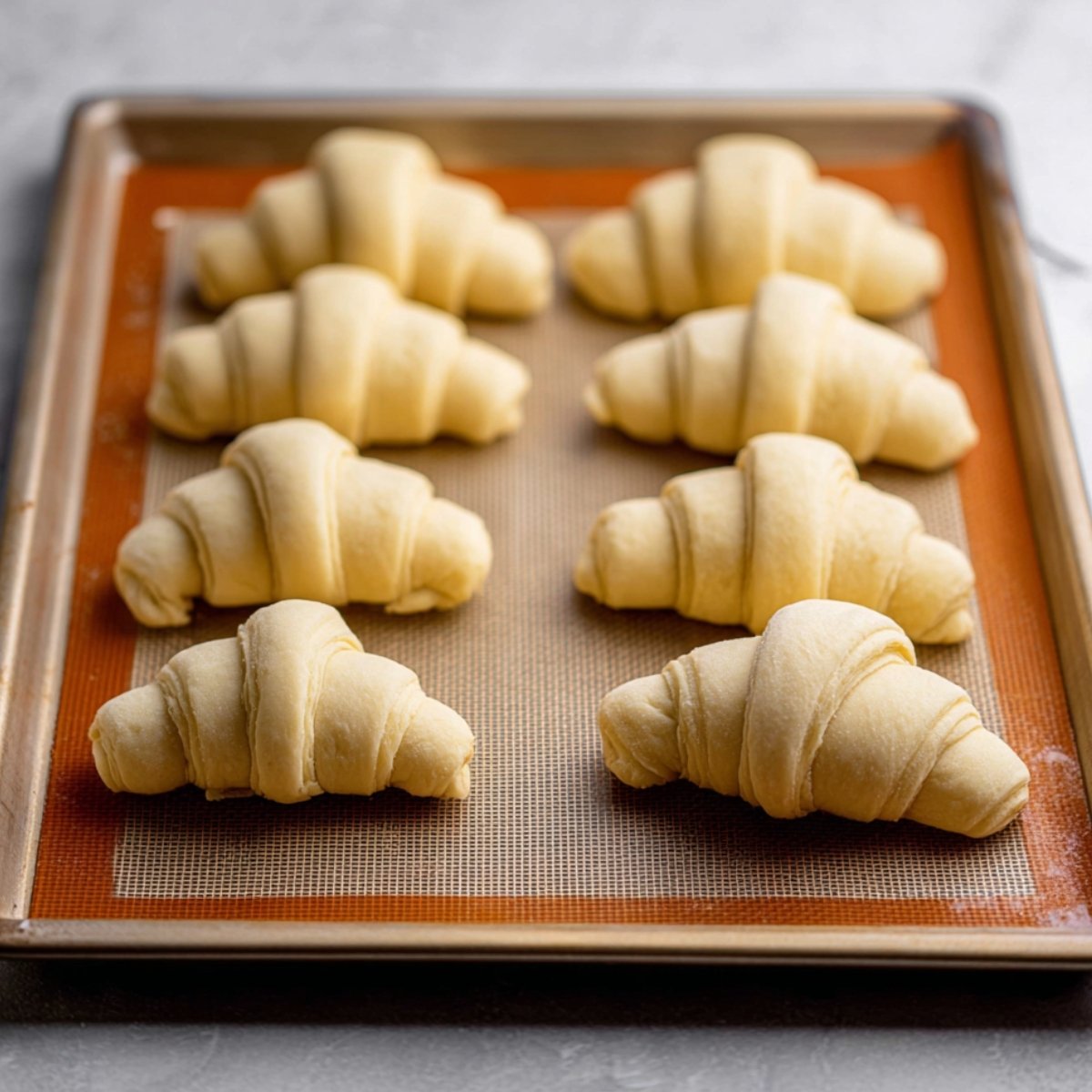
Shape the croissants: Roll the dough into an 8x20-inch rectangle and cut it into 16 long triangles using a pizza cutter or sharp knife. Gently stretch each triangle a bit, then roll it up tightly from the wide end to the point, creating that classic crescent shape. Arrange them on two parchment-lined baking sheets. Let them rest at room temperature for 1 hour, then refrigerate for another hour.
Prepare the egg wash: Whisk the egg and 2 tablespoons of milk together in a small bowl until smooth and well combined.
Bake the croissants: Heat your oven to 400°F. Brush each croissant generously with the egg wash, making sure to coat all the surfaces. Bake for 20 minutes until they're puffed up and deeply golden brown. The smell will be absolutely incredible. Let them cool on the baking sheets for a few minutes before moving them to a cooling rack.
Equipment For Homemade Croissants
- Stand mixer: Makes kneading the dough much easier, though you can do it by hand if you prefer.
- Rolling pin: Essential for creating those even, thin layers of dough and butter.
- Pizza cutter or sharp knife: Helps you cut clean triangles for shaping.
- Pastry brush: For applying the egg wash evenly.
- Parchment paper or silicone mats: Prevents sticking and makes cleanup simple.
- Baking sheets: You'll need two to hold all 16 croissants.
- Cooling rack: Lets air circulate around the croissants as they cool.
Substitutions and Variations
Milk: You can use 2% milk instead of whole milk, though whole milk gives a richer flavor.
Butter: European-style butter with higher fat content makes even flakier croissants, but regular butter works beautifully too.
Chocolate croissants: Place a piece of dark chocolate at the wide end of each triangle before rolling.
Almond croissants: Slice baked croissants in half, spread with almond paste, and sprinkle with sliced almonds before warming in the oven.
Whole wheat: Replace up to half the all-purpose flour with whole wheat flour for a nuttier flavor, though the texture will be slightly denser.
Storage and Make-Ahead Tips
Room temperature: Store baked croissants in an airtight container for up to 2 days. Warm them in a 300°F oven for 5 minutes to refresh.
Freezing baked croissants: Wrap cooled croissants individually in plastic wrap, then place in a freezer bag for up to 2 months. Thaw at room temperature and warm before serving.
Freezing unbaked croissants: After shaping, freeze the croissants on a baking sheet until solid, then transfer to a freezer bag. When ready to bake, let them thaw and rise for 2 to 3 hours at room temperature, then brush with egg wash and bake as directed.
Make-ahead dough: You can refrigerate the laminated dough for up to 3 days before shaping and baking.
Serving Suggestions
Serve these warm croissants with soft butter and your favorite jam for a classic French breakfast. The contrast of the flaky pastry with sweet preserves is perfection.
Slice them in half and fill with scrambled eggs, cheese, and crispy bacon for an indulgent breakfast sandwich.
Pair with a bowl of fresh berries and a steaming cup of coffee for a leisurely weekend brunch, maybe alongside our Breakfast Egg Muffins.
Use day-old croissants to make a decadent bread pudding or French toast casserole.
Expert Tips
Keep everything cold. If your butter starts melting during lamination, pop the dough back in the fridge for 15 minutes. Cold butter creates distinct layers.
Don't skip the resting times. The dough needs to relax between folds, or it'll spring back and resist rolling.
Use a light touch. When rolling, apply even pressure and avoid pressing too hard, which can squeeze out the butter.
Watch the oven. Every oven is slightly different. If your croissants are browning too quickly, tent them with foil for the last few minutes.
Measure flour correctly. Spoon it into your measuring cup and level it off. Scooping directly from the bag packs in too much flour and makes dense croissants.
Room temperature butter for the layer. It should be soft enough to spread but not greasy or melted. About 65°F is perfect.
FAQ
Which country invented the croissant?
Despite being a symbol of French baking, croissants were actually inspired by Austrian kipferl pastries. French bakers adopted and refined the technique in the 19th century, creating the buttery, laminated version we know today.
How do you say "croissant" in English?
It's pronounced "kwah-SOHN" in French, though many English speakers say "kruh-SONT" or "KWAH-sont." All three pronunciations are commonly used and understood.
Are croissants difficult to make?
They're time-intensive but not technically difficult. The process is mostly waiting for the dough to chill between folds. Once you understand the rhythm of lamination, it becomes almost meditative. Just keep everything cold and take your time.
Are croissants good for your health?
Croissants are a rich, buttery treat best enjoyed occasionally rather than every day. They're high in calories and saturated fat, but they also bring joy and satisfaction. Homemade versions let you control the ingredients and avoid preservatives. Enjoy them as part of a balanced diet, maybe saved for special weekend mornings.
Related
Looking for other recipes like this? Try these:




Pairing
These are my favorite dishes to serve with Homemade Croissants




Croissants
Ingredients
Method
- Start by cutting the butter into 4 pieces and placing it into the bowl of a stand mixer fitted with the dough hook attachment. Add the flour, sugar, salt, and yeast. Turn the mixer on low-medium to combine the ingredients for about 1 minute. Slowly pour in the cold milk while the mixer is running. Once the milk is fully incorporated, increase the speed to medium and begin kneading the dough.
- Knead the dough for about 5 minutes using the mixer or by hand on a floured surface. If the dough becomes too sticky, sprinkle with small amounts of flour to make it soft but slightly tacky. The dough should bounce back when pressed. If you’d like, perform a "windowpane test" to check if it’s ready—stretch a piece of dough and hold it up to the light. If it doesn’t tear, it’s ready.
- Remove the dough from the bowl and form it into a ball with floured hands. Place it on a lightly floured baking sheet. Flatten slightly and cover with plastic wrap or foil. Let it rest in the fridge for 30 minutes.
- Take the dough out of the fridge and shape it into a 14×10-inch rectangle using your hands and a rolling pin. Be sure to measure carefully. The dough will feel soft, but continue shaping until you achieve the right dimensions.
- Place the rolled dough back onto the baking sheet and cover it. Refrigerate for 4 hours or overnight for the dough to fully rest.
- For the butter layer, combine the butter and flour in a bowl and beat until smooth. Spread it into a 7×10-inch rectangle on a silicone mat or parchment paper. Chill the butter layer for 30 minutes to firm it up.
- Remove both the dough and butter layers from the refrigerator. On a floured counter, place the butter layer in the center of the dough. Fold the dough over the butter and seal the edges. Roll the dough into a 10×20-inch rectangle. Fold it into thirds and refrigerate for 30 minutes before continuing.
- Turn the dough so the short end faces you. Roll it out again to 10×20 inches, fold into thirds, and refrigerate for another 30 minutes.
- Repeat the same process for a third turn—roll the dough into a 10×20-inch rectangle and fold it into thirds.
- Remove the dough from the fridge and roll it into an 8×20-inch rectangle. Slice it vertically and horizontally into triangles, then roll each triangle into croissants. Shape each into a crescent shape, and arrange them on a baking sheet. Let them rest at room temperature for 1 hour, then refrigerate for 1 hour before baking.
- Preheat your oven to 400°F (204°C). Whisk the egg wash ingredients and lightly brush the croissants with the mixture.
- Bake the croissants for about 20 minutes until golden brown. Rotate the baking sheets halfway through. If they begin to brown too quickly, reduce the temperature to 375°F (190°C).
- Once done, remove the croissants from the oven and place them on a wire rack to cool for a few minutes. They will deflate slightly as they cool.



Leave a Reply