
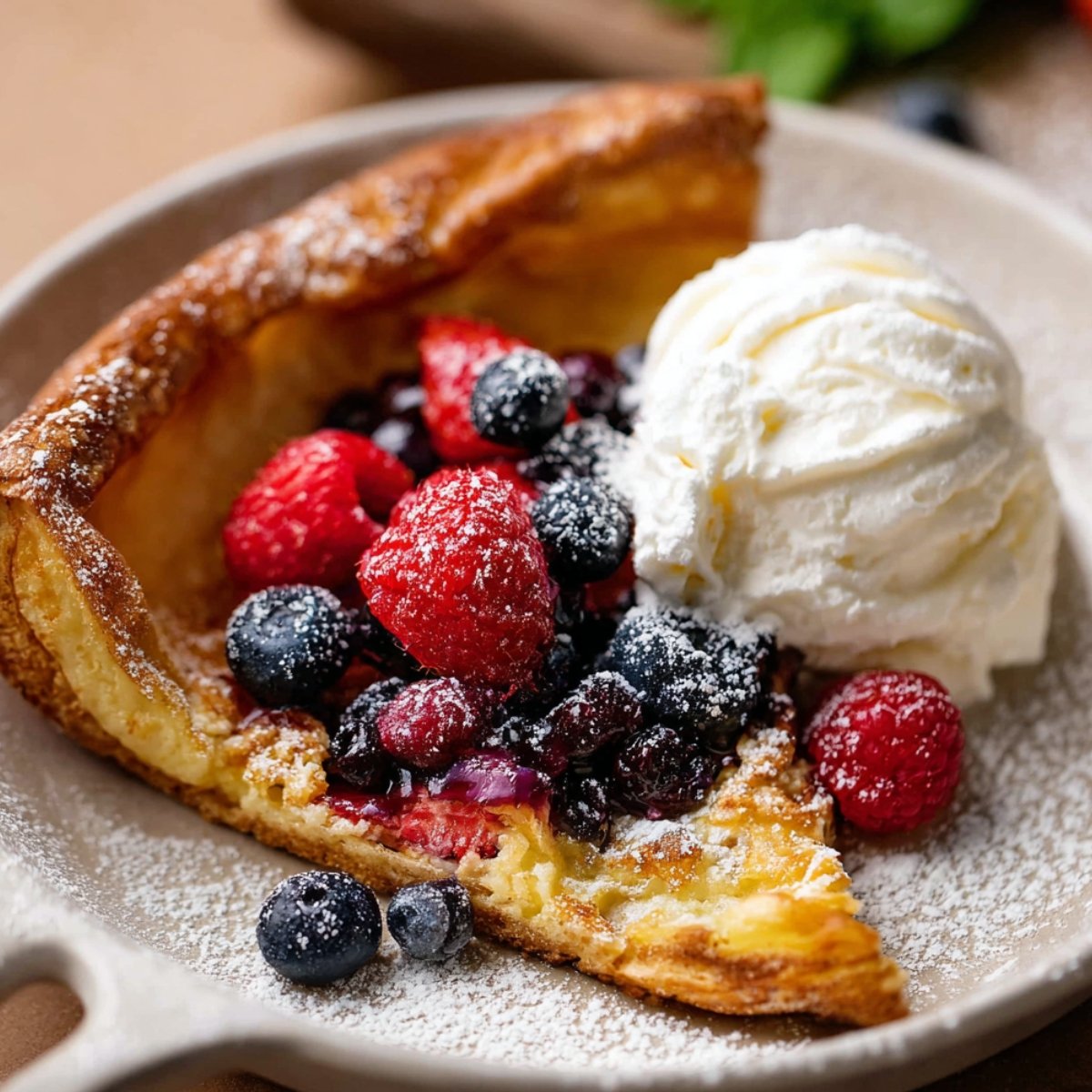
The first time I pulled a Dutch baby pancake out of the oven, I actually gasped. The edges had puffed up golden and crispy, way higher than the rim of the skillet, and the whole thing smelled like butter and vanilla. I made it on a Sunday morning when I was too lazy to flip regular pancakes, and honestly, I haven't looked back since. The batter comes together in a blender, you pour it into a hot skillet, and the oven does all the work.
If you're looking for other easy weekend breakfasts, my Easy Sausage and Egg Casserole and Homemade Baked Pumpkin Donuts are also crowd-pleasers. And if you want something savory, try my Easy Turkish Eggs Recipe (Ready in 20 Minutes!).
Why You'll Love This Dutch Baby Pancake
This Dutch Baby Pancake is one of my go-to recipes when I want something that feels special but doesn't take hours to make. Here's why it's so great:
It's surprisingly easy. You just blend the ingredients, pour them into a hot skillet, and bake. No flipping, no standing over the stove, no stress.
The texture is amazing. The edges get golden and crispy, almost like the edges of a perfect fried egg, while the center stays soft and custardy. It's a beautiful contrast.
It's versatile. You can top it with berries, whipped cream, maple syrup, lemon curd, or even savory toppings like sautéed mushrooms and cheese if you're feeling adventurous.
It looks impressive. When you pull this out of the oven, it's all puffed up and golden, and everyone thinks you spent way more effort than you actually did.
You can make the batter ahead. Mix it up the night before, refrigerate it, and just pour it into the hot skillet in the morning. It's perfect for busy weekends or when you have guests.
Jump to:
Dutch Baby Pancake Ingredients
Here's what you'll need to make this fluffy, golden Dutch baby pancake.
See Recipe Card Below This Post For ingtedient Quantites
For the Pancake:
- Eggs: These are the base of the batter and give the pancake its custardy texture. Make sure they're at room temperature so they blend smoothly.
- All-purpose flour: Provides structure without making the pancake too heavy. The amount is just right to create that light, airy puff.
- Whole milk: Adds richness and helps create a smooth, thin batter. You can use nondairy milk if you prefer.
- Lemon zest: Adds a subtle brightness and a hint of citrus that makes the whole pancake taste fresh and not too sweet.
- Granulated sugar: Just enough to give the pancake a light sweetness without overpowering the other flavors.
- Salt: Balances the sweetness and enhances all the flavors.
- Vanilla extract: Gives the pancake a warm, cozy flavor that smells incredible as it bakes.
- Unsalted butter: Melts in the hot skillet and creates a crispy, golden crust on the bottom and edges of the pancake.
For Toppings (Optional):
- Confectioners' sugar: Sifted over the top for a simple, elegant finish.
- Optional toppings: Fresh berries, whipped cream, maple syrup, or strawberry sauce. Use whatever you love.
How to Make a Dutch Baby Pancake
This Dutch Baby Pancake comes together in just a few simple steps.
Blend the eggs: Place the eggs in a blender and blend on medium-high speed until they're frothy and fluffy, about 45 seconds. This step adds air and helps the pancake puff up.
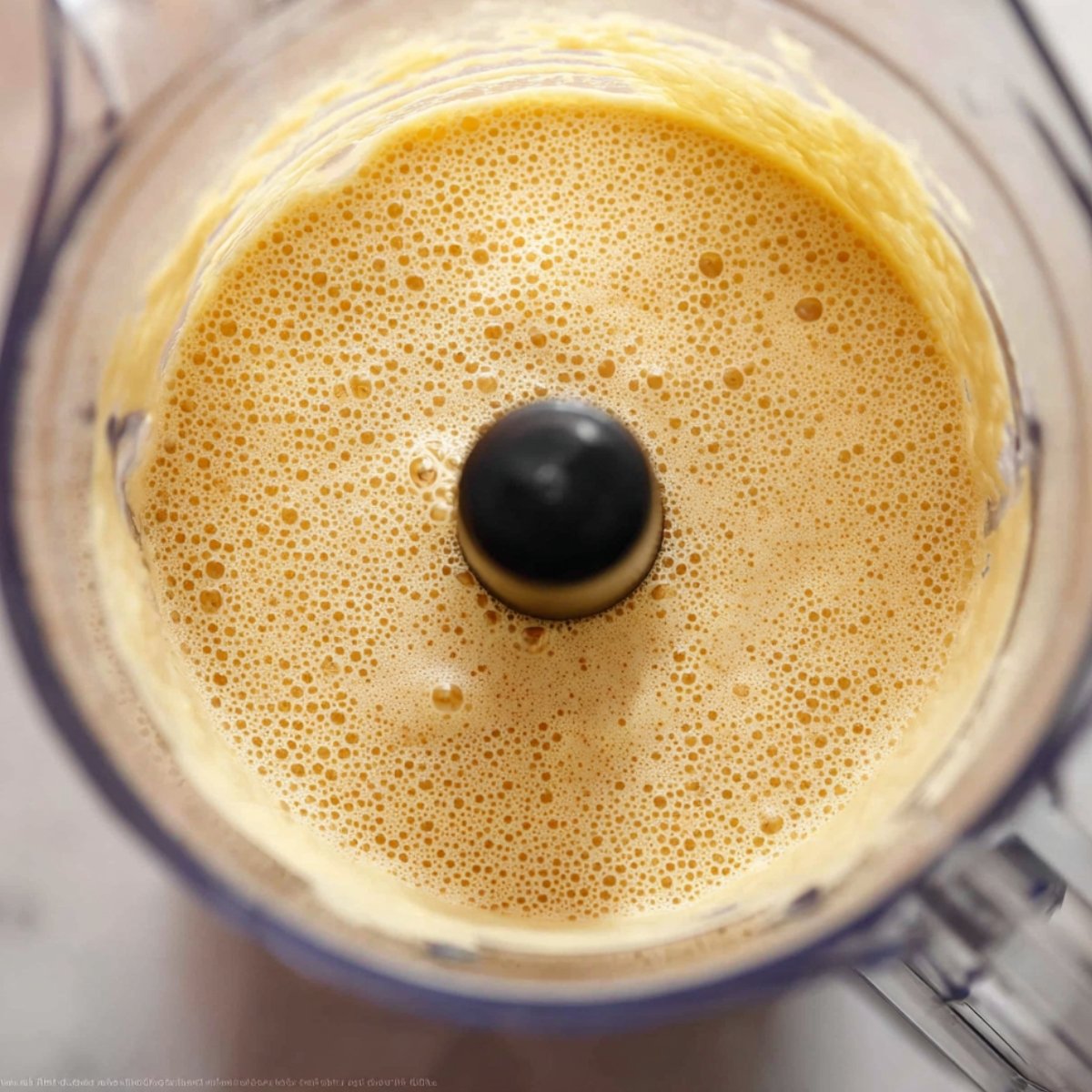
Add the rest: Add the flour, milk, lemon zest, sugar, salt, and vanilla to the blender, and blend until everything is smooth and fully combined. The batter will be thin, almost like crepe batter.
Let it rest: Set the batter aside to rest for 15 minutes at room temperature. This lets the flour hydrate and creates a better texture. You can also cover it and refrigerate it for up to 24 hours if you want to make it ahead.
Heat the oven and melt the butter: Preheat your oven to 400°F (204°C). Place the butter in a 10-inch oven-safe skillet and put it in the oven for about 5 minutes to melt. Watch it so it doesn't burn.
Coat the skillet: Once the butter is melted, carefully remove the skillet from the oven and use a pastry brush to spread the butter up the sides of the pan. This helps the pancake climb the sides as it bakes.
Pour and bake: Pour the batter into the center of the hot skillet. Don't worry about swirling it. Place the skillet back in the oven and bake for 15 minutes.
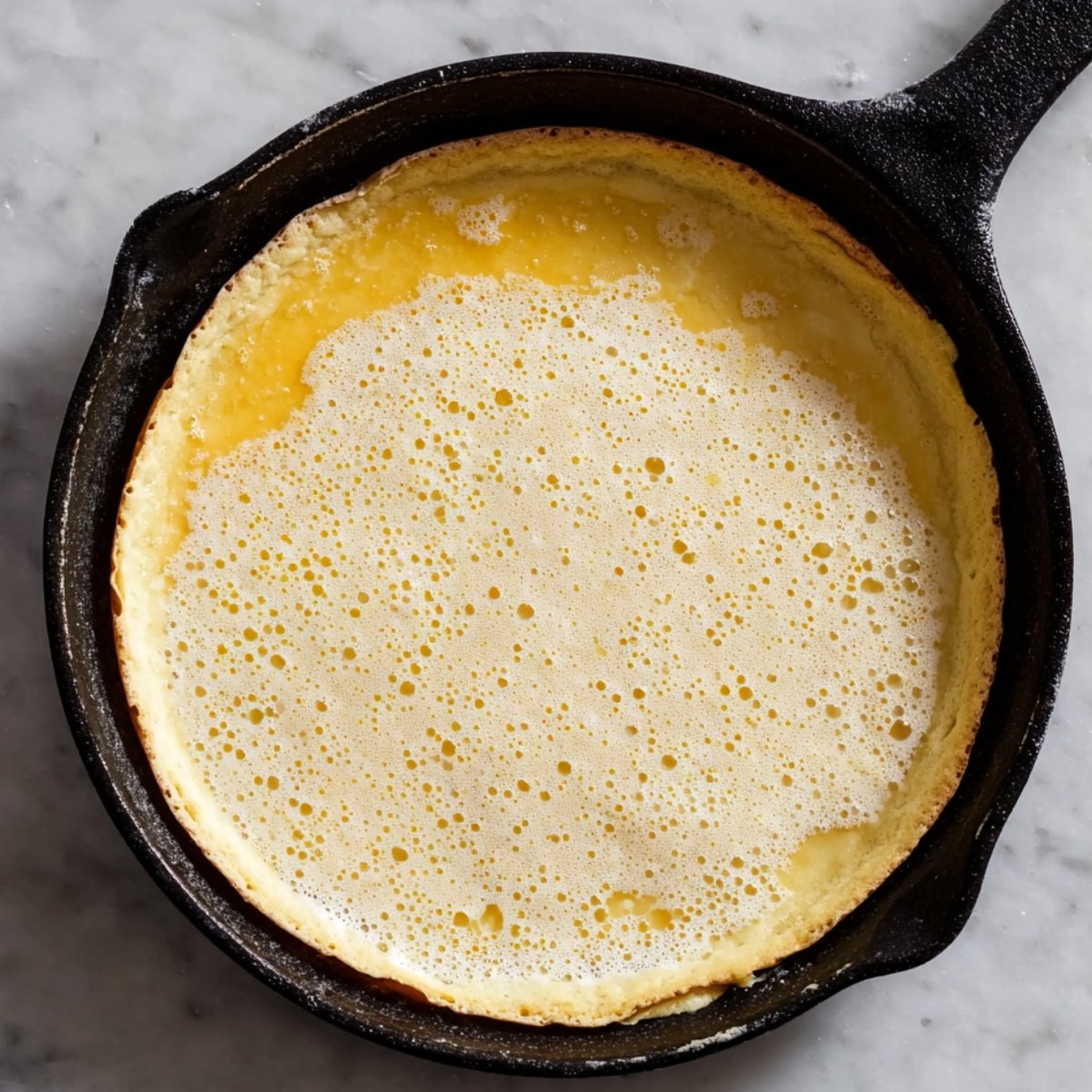
Lower the heat: Without opening the oven door, reduce the temperature to 350°F (177°C) and bake for another 10 minutes, or until the edges and center are golden brown and puffed.
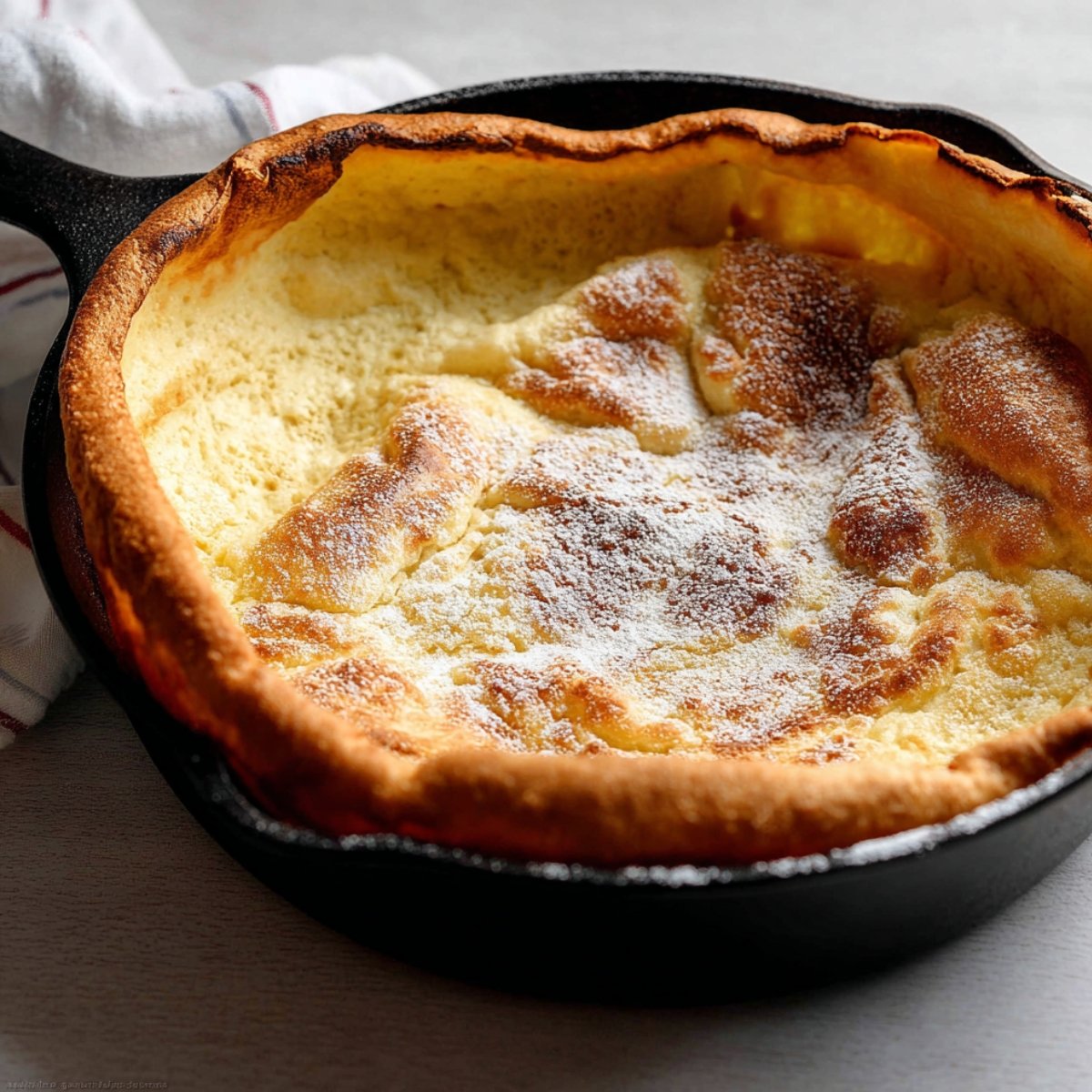
Cool slightly: Remove the pancake from the oven and let it cool for about 5 minutes. It will deflate a bit as it cools, which is totally normal.
Serve: Slice the pancake into wedges and serve with your favorite toppings, like fresh berries, whipped cream, or maple syrup.
Swaps and Substitutions
Here are a few simple ways to customize this Dutch Baby Pancake:
Use nondairy milk: Almond milk, oat milk, or soy milk all work well in place of whole milk.
Try gluten-free flour: A 1-to-1 gluten-free baking blend can replace the all-purpose flour. The texture might be slightly different, but it still works.
Skip the lemon zest: If you don't have lemon zest or prefer a simpler flavor, just leave it out. The pancake will still taste great.
Use salted butter: If you only have salted butter, just reduce or skip the pinch of salt in the batter.
Add spices: A pinch of cinnamon or nutmeg in the batter adds a warm, cozy flavor.
Equipment For Dutch Baby Pancake
Here's what you'll need to make this Dutch Baby Pancake:
- Blender: Makes mixing the batter quick and easy. A regular blender works great.
- 10-inch oven-safe skillet: A cast iron skillet is perfect, but you can also use a 3-quart baking dish, a 10-inch pie dish, or a 9-inch square baking pan.
- Pastry brush: Helps spread the melted butter up the sides of the pan so the pancake can climb as it bakes.
How to Store and Reheat
This Dutch Baby Pancake is best eaten fresh, but you can store leftovers if you have any.
Refrigerate: Store leftover slices in an airtight container in the fridge for up to 2 days. The texture won't be quite as puffy, but it's still tasty.
Reheat in the oven: Warm slices in a 350°F oven for about 5 minutes to crisp them up again.
Freeze: You can freeze slices in a freezer-safe container for up to 1 month. Thaw in the fridge overnight and reheat in the oven.
Serving Ideas
This Dutch Baby Pancake with toppings is delicious on its own, but here are a few ways to make it even better:
Fresh berries and whipped cream: Top with strawberries, blueberries, or raspberries and a dollop of whipped cream for a classic combination.
Maple syrup and butter: Keep it simple with a drizzle of warm maple syrup and a pat of butter.
Lemon and powdered sugar: Squeeze fresh lemon juice over the pancake and dust with powdered sugar for a bright, citrusy finish.
Caramelized apples: Sauté sliced apples with butter, cinnamon, and a bit of brown sugar, then spoon them over the pancake for a cozy fall treat.
Expert Tips
Use a hot skillet: The butter needs to be hot and melted before you pour in the batter. This helps the pancake puff up and creates a crispy bottom.
Don't open the oven door: Resist the urge to peek while it's baking. Opening the door can cause the pancake to deflate.
Let the batter rest: Resting the batter for 15 minutes (or overnight) helps the flour hydrate and creates a better texture.
Use room temperature ingredients: Room temperature eggs and milk blend more easily and create a smoother batter.
Serve immediately: The pancake is at its best right out of the oven when it's puffed and golden. It will deflate as it cools, but that's normal.
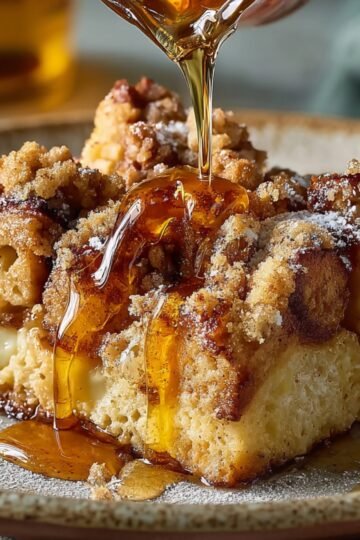
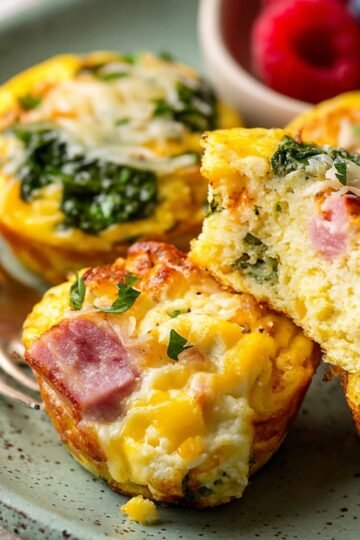
If you loved this recipe, you'll also enjoy my Easy Cinnamon Roll French Toast Recipe (Ready in 30 Min!) or these Easy Starbucks Egg Bites Recipe.
What Makes This Dutch Baby Pancake So Good
This Dutch Baby Pancake is one of those rare breakfasts that looks fancy but requires almost no effort. You blend everything together, pour it into a hot skillet with melted butter, and let the oven do the work. The result is a golden, crispy-edged pancake with a soft, custardy center that tastes like a cross between a popover and a crepe.
It's perfect for when you want to impress guests without the stress. The lemon zest adds a subtle brightness, and the vanilla gives it a warm, cozy flavor. Plus, you can make the batter the night before and refrigerate it, which makes weekend mornings even easier.
I love serving this with fresh strawberries and a dollop of whipped cream, but it's just as good with blueberries, sliced peaches, or even a simple drizzle of syrup.
FAQ
What are Dutch baby pancakes?
A Dutch baby is a large oven-baked pancake with crispy edges and a soft center. It's baked in a hot skillet and served with powdered sugar, fruit, or syrup. My daughter Lily loves watching it puff up in the oven.
What is the difference between a Dutch baby and a pancake?
A Dutch baby is baked in the oven in one pan, while regular pancakes are cooked on the stovetop one at a time. Dutch babies have a thinner batter and a custardy texture, while regular pancakes are fluffier and cake-like.
Why is it called Dutch baby pancake?
Despite the name, it's not Dutch. The name likely came from a Seattle restaurant in the early 1900s where "Deutsch" (German) was mispronounced as "Dutch." It's based on a German recipe.
What are the tiny Dutch pancakes called?
The tiny pancakes are called poffertjes. They're small, fluffy, bite-sized pancakes made with yeast and cooked in a special pan. They're different from a Dutch baby, which is one large pancake.
Related
Looking for other recipes like this? Try these:
Pairing
These are my favorite dishes to serve with Dutch Baby Pancake
Dutch Baby Pancake
Ingredients
Equipment
Method
- Place the eggs in a blender and blend on medium-high speed until frothy, about 45 seconds.
- Add the flour, milk, lemon zest, sugar, salt, and vanilla to the blender and blend until fully combined. The batter will be thin. Set aside and let rest for 15 minutes at room temperature or refrigerate for up to 24 hours.
- Preheat the oven to 400°F (204°C). Add butter to a 10-inch oven-safe skillet and place in the oven for 5 minutes until melted. Remove the pan from the oven and brush the melted butter up the sides.
- Pour the batter into the center of the hot pan, no need to spread. Place it back in the oven and bake for 15 minutes. After 15 minutes, reduce the temperature to 350°F (177°C) and bake for another 10 minutes, until the pancake is puffed and golden brown around the edges.
- Remove from the oven and let cool for 5 minutes. Top with powdered sugar and any desired toppings.
Leave a Reply